
Can You Get Botox While Pregnant? What Expectant Mothers Should Know

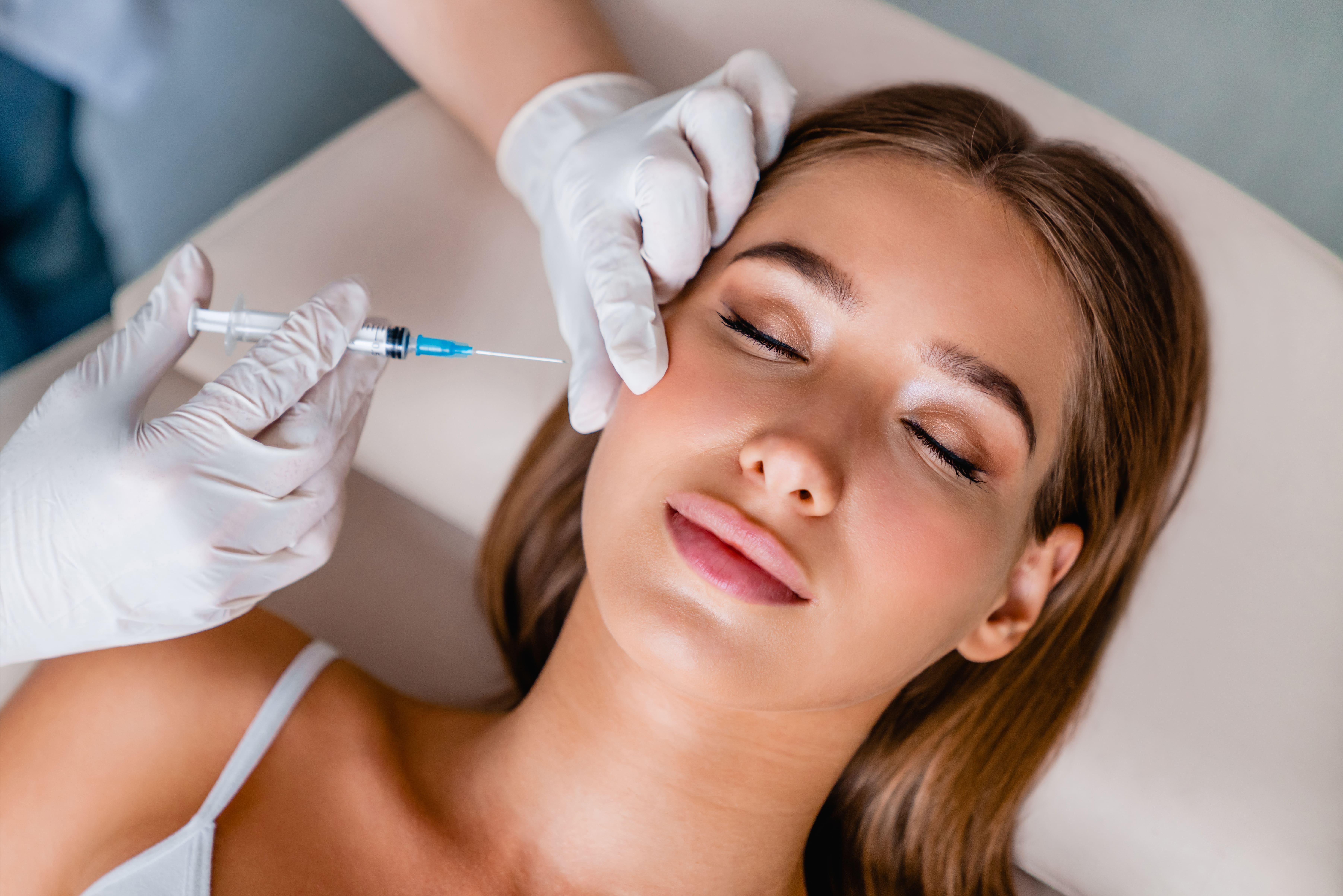
wonder whether cosmetic procedures are safe while expecting. One common question is can you get Botox while pregnant. Understanding the potential risks, benefits, and alternatives allows expectant mothers to make informed decisions alongside their healthcare providers. This article examines scientific evidence, expert advice, and practical guidance.
What Is Botox and How It Works
Botox, derived from botulinum toxin type A, works by temporarily relaxing targeted muscles. This reduces the appearance of fine lines and wrinkles. Cosmetic use focuses on areas like forehead lines, crow’s feet, and frown lines. Medical applications include treating chronic migraines, excessive sweating, overactive bladder, and facial spasms.
Understanding the mechanism of Botox is key. It blocks nerve signals that cause muscle contraction, which explains its wrinkle-reducing effect. In therapeutic settings, it relieves muscle tension or abnormal movements. For those considering cosmetic procedures during pregnancy, consulting a professional who offers Botox Treatments at TLC Medical ensures safe guidance and tailored care.
Safety of Botox During Pregnancy
Scientific research on Botox use in pregnancy is limited. Controlled studies with pregnant participants do not exist due to ethical considerations. Information comes from animal studies, retrospective surveys, and clinical guidelines.
Animal studies show that very high doses of botulinum toxin can affect fetal development. Cosmetic doses administered in humans are much smaller and localized, making significant systemic absorption unlikely. Retrospective human reports suggest that accidental exposure during early pregnancy does not appear to increase risk of birth defects.
Despite reassuring preliminary data, medical experts recommend caution. Cosmetic Botox is elective and provides aesthetic benefits rather than medical necessity. Therefore, delaying treatment until after pregnancy and breastfeeding is typically advised. For therapeutic use, a careful risk-benefit analysis is necessary.
Common Scenarios for Botox in Pregnancy
Cosmetic Use
For smoothing wrinkles or achieving aesthetic improvements, Botox should generally be postponed. While some reports indicate low risk when doses were limited and no systemic side effects occurred, the potential impact on the developing fetus remains unclear. If injections were given early in pregnancy before recognition, informing a healthcare provider is important to ensure appropriate monitoring.
Therapeutic or Medical Use
Botox may be considered for medical conditions such as chronic migraines, severe muscle spasms, or bladder disorders when alternative treatments are insufficient. In such cases, specialists evaluate whether benefits outweigh potential risks. Individualized care plans and monitoring throughout pregnancy help minimize any potential complications.
Breastfeeding Considerations
Limited evidence exists regarding Botox use while breastfeeding. Cosmetic doses are unlikely to reach systemic circulation in meaningful amounts, but caution is generally recommended. Many providers, including TLC Medical SWFL, suggest waiting until breastfeeding is complete before resuming Botox injections to ensure both safety and optimal outcomes.
Why Avoid Botox During Pregnancy
The main reasons to defer Botox include lack of robust human studies, elective nature of cosmetic treatment, and potential, albeit unlikely, systemic absorption. Any elective procedure during pregnancy is assessed by comparing potential benefit against risk. With minimal long-term consequences from skipping cosmetic treatment, waiting is considered the safest approach.
Natural Skincare and Aesthetic Alternatives During Pregnancy
Pregnancy-safe skincare options support skin health while avoiding potential risks from injectables. Moisturizers with safe ingredients, consistent sun protection, gentle facials, and light-based therapies approved for pregnancy can maintain skin vitality. Ingredients such as vitamin C, hyaluronic acid, and niacinamide can help with hydration and brightening without invasive procedures.
Maintaining a healthy skincare routine also helps manage concerns like dullness, mild hyperpigmentation, or dryness, which are common during pregnancy. These alternatives provide visible results while preserving fetal safety.
Key Considerations for Expectant Mothers
Risk Assessment
Current evidence indicates that risk to the fetus from cosmetic Botox is very low, but it cannot be completely ruled out due to insufficient large-scale studies. Every treatment decision should consider potential exposure, dose, and timing relative to pregnancy.
Timing and Planning
Postponing Botox until after pregnancy and breastfeeding is recommended for cosmetic purposes. Planning any elective treatments around pregnancy ensures both safety and efficacy.
Communication With Providers
Inform obstetricians and dermatologists about any prior or planned Botox injections. Clear communication allows healthcare providers to assess safety, provide reassurance, and monitor any potential issues.
Frequently Asked Questions
Will Botox Harm My Baby If I Had It Early in Pregnancy
Data from limited human studies suggest minimal risk if doses were standard and localized. Providing your provider with details about timing, location, and dose helps ensure appropriate monitoring.
Can I Resume Botox After Giving Birth
Yes, Botox treatments can typically resume after pregnancy and breastfeeding. Providers recommend waiting until the postpartum period for optimal safety and effectiveness.
Can Botox Be Used for Migraines During Pregnancy
In some severe cases where alternative treatments are limited, Botox may be considered under specialist supervision. Individualized evaluation is necessary to ensure safety for both mother and fetus.
Are There Safe Injectable Alternatives for Wrinkle Treatment During Pregnancy
No injectable neuromodulators have established safety in pregnancy. Non-injectable methods remain the safest approach until after pregnancy and breastfeeding.
Enhancing Skin Health Naturally During Pregnancy
Expectant mothers can improve skin appearance without injectables. Hydration, gentle exfoliation, sun protection, and antioxidants maintain skin elasticity and radiance. Nutritional support through a balanced diet rich in vitamins and minerals contributes to healthy skin from the inside out. Lifestyle habits like adequate sleep, stress management, and moderate exercise also positively impact skin health.
These practices reduce reliance on cosmetic interventions during pregnancy while supporting long-term skin wellness.
Conclusion
Cosmetic Botox should be postponed during pregnancy due to limited safety data and elective nature of the treatment. Medically necessary Botox may be considered under specialist guidance after thorough risk evaluation. Prioritizing non-invasive, pregnancy-safe skincare routines maintains skin health while avoiding unnecessary risk.
By making informed choices and collaborating with healthcare providers, expectant mothers can protect their health and the health of their baby while planning cosmetic treatments for the future.
Read More Blogs!
Stay updated with the latest blog posts and engage with our community.